Market insightUnited Arab Emirates
Buying Property in Dubai: Essential Tips & Investment Guide
Discover essential tips for buying property in Dubai, from understanding ownership rules to evaluating market trends. Maximize your property investment in this vibrant city with expert advice.

Essential Tips for Buying Property in Dubai
Buying property in Dubai can be a practical way to own a home, diversify a portfolio, or build a rental-focused investment in a globally connected city. The opportunity is real, but the smartest buyers approach it with a clear plan: understand ownership rules, verify the property and developer, compare areas carefully, and budget beyond the advertised price. This guide explains the main benefits, risks, and decision points for anyone exploring Dubai real estate, including overseas buyers and Israeli investors evaluating the market.
Is buying property in Dubai a good investment?
Buying property in Dubai can be a good investment when the purchase fits your budget, time horizon, risk tolerance, and exit strategy. The Dubai property market has shown strong transaction activity in recent years: Dubai Land Department reported AED 761 billion in real estate transactions in 2024, and Q1 2026 transactions reached AED 252 billion, with foreign investment value reported at AED 148.35 billion for that quarter. Those figures show momentum, but they do not remove the need for due diligence, because returns vary widely by location, unit type, purchase price, service charges, financing, and rental demand. (dubailand.gov.ae)
The strongest reason to invest in Dubai is not simply "prices may rise." A better case for property investment in Dubai is built on multiple potential advantages: international demand, modern infrastructure, a large expatriate rental base, and clear registration through Dubai Land Department. At the same time, investors should remember that Dubai real estate is still cyclical. Off-plan delivery schedules, oversupply in some communities, currency exposure, mortgage costs, and resale liquidity can all affect the final result.
The Dubai ownership rules every foreign buyer should know
Buying property in Dubai as a foreigner is possible, but the first rule is to confirm that the property is in an area where non-UAE nationals can legally own. The UAE Government states that foreigners and expatriate residents may acquire freehold ownership rights without restriction in designated areas in Dubai, and may also acquire usufruct or leasehold rights for up to 99 years, depending on the property and location. (u.ae)
In practice, this means you should not treat every listing as equal. A beautiful apartment, villa, or townhouse only becomes a sound purchase if the title structure matches your goals. If you want long-term ownership, inheritance planning, resale flexibility, or eligibility for residence-linked benefits, verify the ownership category before paying a deposit.
Before you buy a house in Dubai, ask for clarity on:
- Ownership type: freehold, leasehold, or usufruct.
- Registration route: whether the transaction will be registered with Dubai Land Department.
- Property status: completed, off-plan, mortgaged, or under handover.
- Seller authority: whether the seller, developer, or representative has the legal right to transact.
- Community costs: service charges, maintenance obligations, and owner association rules.
These checks may sound administrative, but they protect the entire investment. In Dubai real estate, the legal structure matters as much as the view, floor plan, or payment plan.
Benefits of buying property in Dubai
The benefits of buying property in Dubai often appeal to both lifestyle buyers and investors. Dubai offers a combination of international connectivity, high-quality residential developments, business-friendly positioning, and a large population of residents who rent before buying. For investors, that can create opportunities in apartments, villas, townhouses, and short- or long-term rental strategies, depending on the community and regulations.
Another important benefit is transparency through official systems. Dubai Land Department provides property-related services and information, including property status enquiries and project tracking, which can help buyers verify key details before committing. DLD's frequently asked questions also point buyers toward official routes for tracking completion percentages and understanding investor rights. (dubailand.gov.ae)
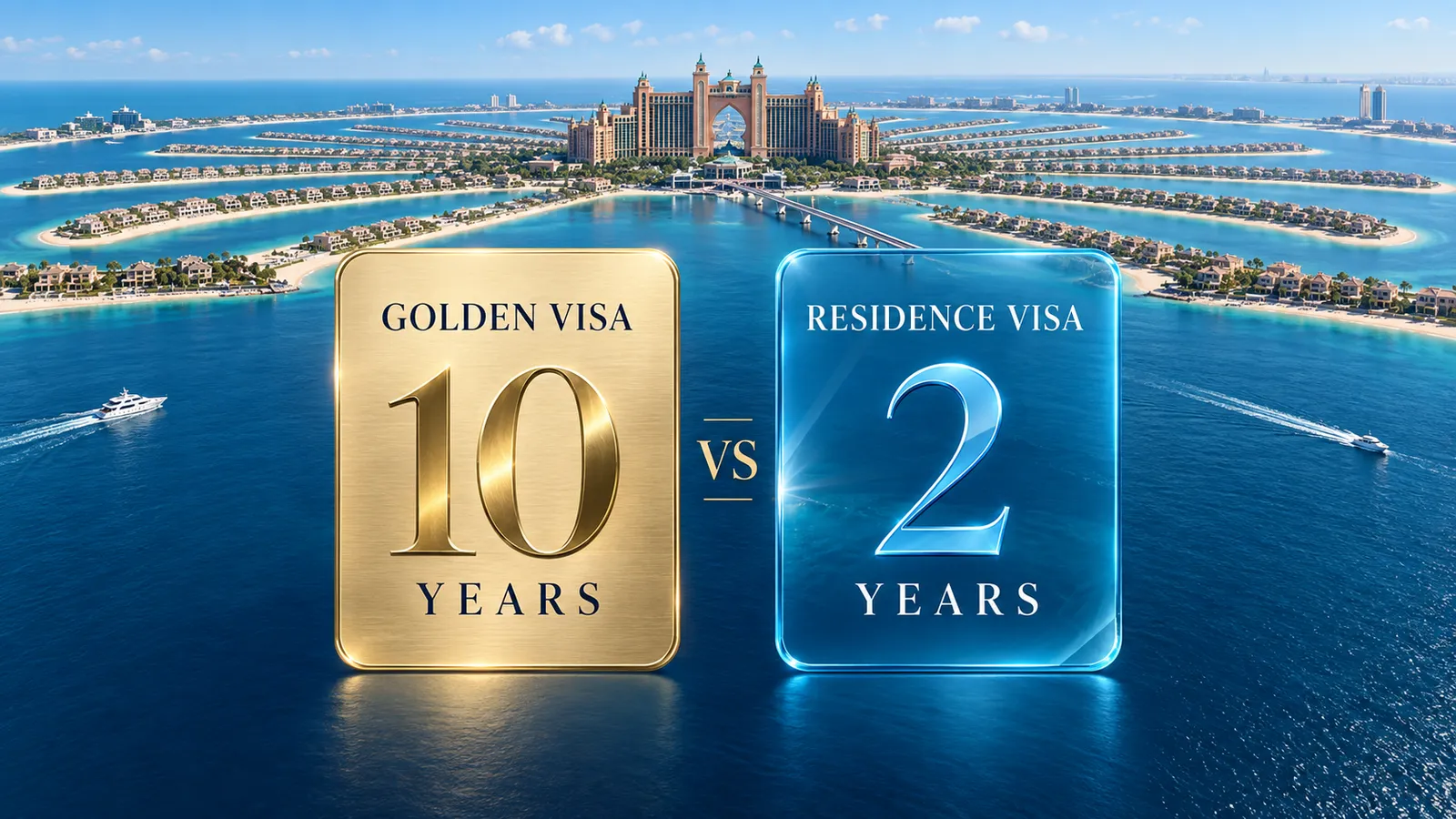
For some buyers, residency is also part of the decision. Dubai Land Department states that a real estate investor who owns property with a purchase value equal to or above AED 2 million may apply for a 10-year renewable residence permit, subject to the service requirements. The UAE Ministry of Economy also notes that real estate investors may qualify with one or more properties totaling at least AED 2 million, with conditions including ownership, approved financing where applicable, and health insurance requirements. (dubailand.gov.ae)
That said, property should not be purchased only for a visa. If residence eligibility is important, verify the latest criteria directly with the relevant authority before signing, especially for mortgaged properties, off-plan units, joint ownership, and payment-plan structures.
Buying property in Dubai: pros and cons
A balanced view is essential. The phrase "invest in Dubai" is common in marketing, but a smart buyer looks at both upside and downside before transferring funds.
Potential advantages include:
- Global demand: Dubai attracts residents, entrepreneurs, remote workers, and investors from many markets.
- Modern housing stock: Many communities offer newer buildings, amenities, parking, security, and managed common areas.
- Official registration: Transactions and property rights are handled through formal government systems.
- Rental possibilities: Long-term and holiday-home models may be available, depending on the property and approvals.
- Portfolio diversification: For foreign buyers, Dubai may provide exposure outside their home property market.
Potential drawbacks include:
- Market cycles: Strong transaction growth does not guarantee future price growth.
- Service charges: Annual building and community costs can reduce net yield.
- Off-plan risk: Delays, specification changes, or market shifts can affect returns before handover.
- Liquidity differences: Some areas resell faster than others, especially during slower periods.
- Currency and financing exposure: Buyers earning outside the UAE need to consider exchange rates, mortgage terms, and transfer costs.
The practical takeaway is simple: do not buy the "Dubai market" in general. Buy a specific property, in a specific building or community, at a specific price, with a specific plan.
How should Israeli investors approach buying property in Dubai?
An Israeli investor's guide to buying property in Dubai should begin with the same fundamentals as any international purchase: legal eligibility, banking access, tax advice in the buyer's home country, currency planning, and reliable representation in Dubai. Israeli investors should also consider how they will transfer funds, manage the property remotely, handle rental income, and document the transaction for personal, corporate, or family-office reporting.
The UAE property rules for foreign ownership are location-based rather than nationality-based in the official public guidance, but individual buyers still need to satisfy bank, compliance, anti-money-laundering, and documentation requirements. For that reason, investors coming from Israel should prepare identity documents, proof of funds, source-of-funds explanations, and any corporate documents early. A qualified conveyancer, broker, mortgage adviser, or tax professional can help reduce friction, but the buyer should still personally verify official information.
For Israeli investors comparing Dubai with Tel Aviv, Jerusalem, Europe, or the United States, the most useful questions are practical:
- What currency is the investment really exposed to? Consider shekel, dirham, dollar, or other income sources.
- Will the property be self-used, rented, or held vacant? The operating plan affects the ideal location and unit type.
- Who will manage the asset locally? Remote ownership requires a property manager, maintenance process, and reporting routine.
- How will taxes be handled at home? Dubai rules are only one side of the picture; home-country reporting may still apply.
- What is the exit plan? Define a target holding period and resale strategy before buying.
This approach turns enthusiasm into an investment framework. It also helps prevent a common mistake: choosing a property because it looks impressive online rather than because it fits a measurable plan.
Choose the right area before choosing the unit
Location selection is one of the biggest drivers of success in Dubai real estate. A waterfront apartment, a suburban townhouse, and a luxury villa may all be attractive, but they serve different buyers and tenants. Before comparing floor plans, decide whether your priority is yield, capital growth, family living, holiday rental potential, or long-term personal use.
For rental-focused buyers, proximity to business districts, transport links, schools, beaches, or major attractions can matter more than finishes. For end users, daily life may depend on commute times, parking, traffic, supermarket access, school routes, noise, and community maturity. For off-plan investors, the future supply pipeline in the area matters, because many similar units completing at the same time can influence rent and resale competition.
A simple area-screening checklist can help:
- Visit the community at different times of day, not just during a sales tour.
- Compare completed buildings with off-plan promises in the same area.
- Check recent transactions where possible, not only asking prices.
- Ask about service charges and whether they are expected to change.
- Review nearby supply, infrastructure, schools, retail, and transport.
- Speak with rental agents about realistic tenant demand for that exact unit type.
The goal is to understand the property's real market, not just its brochure.
Off-plan and ready property require different strategies
Off-plan property can be attractive because of staged payments, new inventory, and the possibility of buying early in a developing community. However, the buyer takes on delivery risk, market timing risk, and uncertainty about the finished environment. If you are buying off-plan, verify that the project and developer are registered, review the payment schedule carefully, and understand what happens if either party defaults.
Ready property is easier to evaluate because you can inspect the unit, building, community, and current rental demand. You can also compare actual transactions, service charges, maintenance condition, and tenant history. The trade-off is that ready property may require more upfront capital and may not offer the same promotional payment terms.
Neither option is automatically better. Off-plan may suit buyers with a longer horizon and tolerance for uncertainty. Ready property may suit buyers who want immediate use, faster rental income, or clearer valuation evidence.
Budget for the full cost, not just the purchase price
One of the most common mistakes in buying property in Dubai is focusing only on the headline price. The full budget may include government fees, agency commission, trustee or registration charges, mortgage-related costs, valuation fees, service charges, insurance, furnishing, snagging, maintenance, and property management. Exact amounts can change and vary by transaction, so buyers should request a written cost breakdown before signing.
If you are financing, get mortgage pre-approval before making offers. This helps you understand loan limits, required down payment, income documentation, interest-rate exposure, and approval timelines. Cash buyers should still plan liquidity carefully, especially when buying off-plan with multiple installments.
A practical budget should include three layers:
- Purchase costs: deposit, transfer-related fees, agency fees, registration, and professional advice.
- Holding costs: service charges, utilities, maintenance, insurance, and management.
- Exit costs: resale agency fees, mortgage settlement if applicable, repairs, and potential vacancy.
A property that looks profitable before costs can become average after costs. Net return matters more than advertised yield.
Due diligence protects your investment
Dubai is a structured market, but buyers still need to check documents and counterparties. Use official channels where possible, and do not rely only on screenshots, brochures, WhatsApp messages, or verbal promises. If a claim affects your decision, ask for it in writing and verify it.
Your due diligence should include:
- Verify the broker. Confirm licensing and experience in the specific community.
- Check the property status. Use official property enquiry tools where applicable.
- Review the title or Oqood details. Make sure the seller and property match the documents.
- Read the contract carefully. Payment dates, handover terms, penalties, and included items matter.
- Inspect the property. For ready units, use a professional snagging or inspection service where appropriate.
- Confirm rental assumptions. Ask for comparable rented units, not only projected yields.
- Plan the ownership structure. Personal, joint, or company ownership can have legal and tax implications.
Professional advice is not just for large investors. Even a modest apartment purchase involves legal rights, payment obligations, and long-term costs.
Build a clear investment plan before you sign
A good Dubai property market strategy starts with a written plan. Decide what you want the property to do, how long you expect to hold it, how you will manage it, and what would make you sell. Without that clarity, it is easy to be swayed by launch-day urgency or unrealistic rental projections.
Use this simple pre-purchase framework:
- Goal: income, capital growth, residence, lifestyle, or diversification.
- Budget: maximum all-in cost, including fees and furnishing.
- Location: two or three preferred communities with a clear reason for each.
- Property type: apartment, villa, townhouse, office, or mixed-use asset.
- Risk limit: maximum acceptable delay, vacancy, or price movement.
- Management plan: self-managed, agency-managed, or holiday-home operator.
- Exit plan: resale, refinance, long-term rental hold, or personal use.
This framework will not guarantee profit, but it will help you avoid emotional decisions. In real estate, discipline often matters more than speed.
Final takeaway
Buying property in Dubai offers genuine opportunities for foreign buyers, end users, and investors, but the best outcomes come from careful selection rather than hype. Understand the ownership rules, compare locations realistically, verify official records, budget for all costs, and seek qualified advice where needed.
If you are asking, "Should I invest in Dubai?" the better question is, "Which property, at what price, for what purpose, and with what risk controls?" Answer that clearly, and your Dubai real estate search becomes far more strategic.
Common questions
- Can foreigners buy a property in Dubai?
- Yes, foreigners are allowed to buy property in Dubai. Most of the areas in Dubai are freehold now and foreigners interest is at its highest ever. Dubai has grown with foreigns investments and its visionary leadership to bring people together from all around the world in a safe place.
- Which projects are investment worthy in Dubai?
- When choosing a project to invest there are more than one factors you need to consider. Dubai is a futuristic location and you need to think about the future developments in the area and the developer reputation to be safe. That is why area specialists are valuable to contact when making investment so they can clearly explain what will be here in the near future?.
- How to choose a location to invest in Dubai?
- Choosing the right location is very important even though Dubai is investing in all areas, there are some locations getting the more attraction. It is not about the project location but what is happening in the area of the project what matters. Government in the UAE is very transparent about the future developments so an investor can easily check themselves from government websites but an experienced broker might have more surprises for you because of their connections.